Inspiring Women: Dana Eshelman
As a nutritional scientist and health advocate, I meet many people, especially women, who want to lose weight but struggle with their hormonal balance or both. Unfortunately, the "instinct" for many women is to eat less and avoid fats or carbs before bedtime because somebody told them so. They still believe that fats or carbs are bad foods.
These endless conversations about myths and how women may mistreat their bodies sparked today's interview.
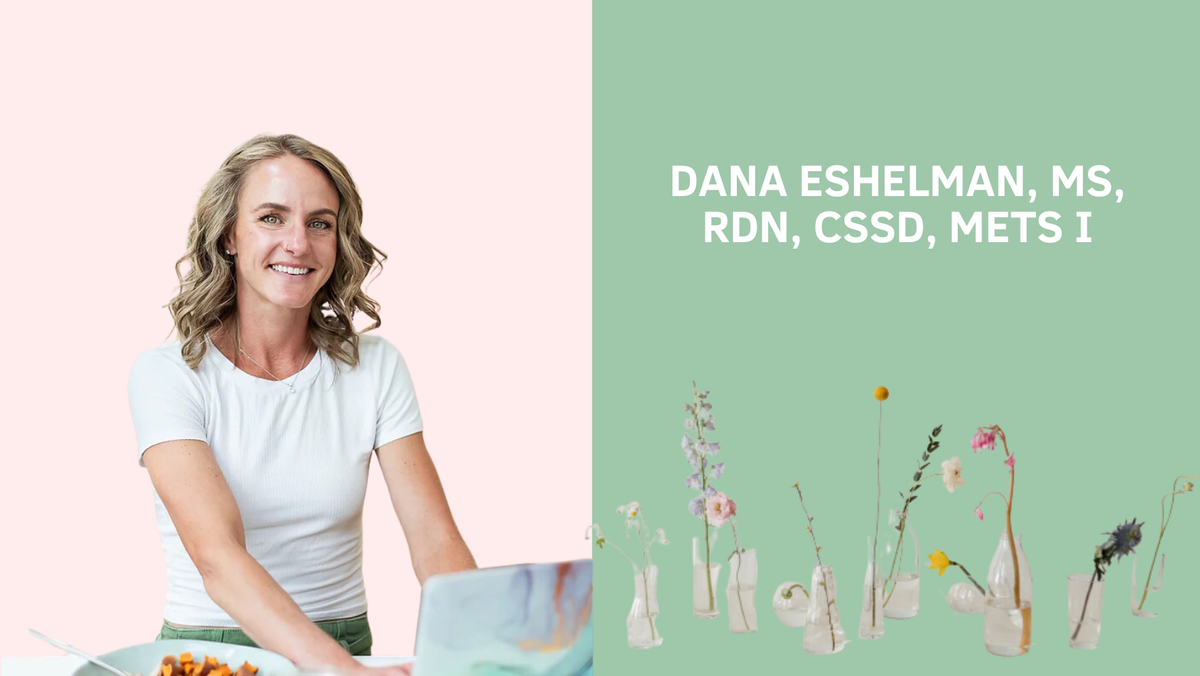
I want to introduce you to Dana Eshelman, a woman who knows the ins and outs of healthy nutrition and combines her passion for food and fitness with an individualized coaching approach. As a woman and sports dietitian, she aims to debunk myths. Dana wants women to understand that
- Adding value to their plates versus restricting food groups (without reason) is crucial to getting the nutrients they need to thrive
- Food is both nourishing and supporting of goals as well as a sense of pleasure and enjoyment
- Not eating enough causes unnecessary stress on their entire being
And lastly, it's important to be cautious about trends like intermittent fasting, as they may not be the healthiest choice for everyone.
Dana is a Registered Dietitian Nutritionist (RDN), and board certified in sports dietetics (CSSD). She also holds a Masters in Nutrition and Human Performance (MS). #fuelfiercely
Most importantly, she's an inspiring woman who walks the talk. Dana is also an incredible athlete (triathlon, road running, and recently gravel racing). You should follow her on Instagram, where she shares her nuggets of wisdom and invites you to her workshops or Instagram lives.
Dana, to start it off: What’s your idea of women's health (as an RDN, athlete and woman)?
The human body is an interconnected network of multiple systems. We cannot ignore one without addressing another.
With females, we have the complexity of reproductive hormones in premenstrual women and a shift through perimenopause into menopause. Understanding how each system is affected throughout the lifecycle is a part of optimizing your health as a female.
Adding athletics to the picture, we have another layer of performance across the lifecycle.
Putting this into a few words, women's health is an area that has been underserved. What we do know is that most of the research we are working off of has been done on college-aged males, which are nothing like their female counterparts. As a sports dietitian, athlete, and woman, health to me is:
- Fueling your body fiercely to support all that you do in both sport and life
- Building performance plates (protein, fat, carb, and color - fruits and veggies) at most meals and snacks to ensure you are getting your macro and micronutrients
- Committing to restful sleep each evening
- Hydrating well with non-caffeinated fluids (nothing wrong with caffeine, but the non-caff is going to hydrate you more efficiently)
- Including movement in a way that you love daily
- Enjoying food as a sense of pleasure and nourishment
Based on your experience and observation, what are the biggest differences between women and men?
As mentioned above, women change significantly throughout the lifecycle. And, while men go through a transition of testosterone lowering as they age, it is not the same as the changes seen with females' dominant hormones (estradiol and progesterone) in perimenopause through the menopause transition. As these hormones bottom out, females' exercise modality and nutrition needs also change. This is newer research and something that points more to the "women are not small men."
What is the biggest myth about a woman's nutrition that drives you crazy?
I get referrals from physicians and/or have women come to me asking about the need to "move more, eat less" to improve their weight status or blood labs. In my experience, this is simply not a perfect equation. As mentioned, the human body is so complex that we rarely can just create a calorie deficit to lose weight.
What's the most surprising thing that you've learned about women in your role as a (sports) dietitian?
Women have really been misled for so many years about their bodies and what "health" means. Often, I see "health" equated to size or a number on the scale, and that means absolutely nothing if you:
- Are stressed out and anxious around foods
- Not able to go out to restaurants and enjoy community, celebrations, and enjoyment/pleasure that is a part of eating as well
- Feel out of control when your favorite foods present themselves
I know you’re a big supporter of women eating enough high-quality calories to maintain or improve their health. What are some trends you've seen in the past you would like women to eliminate because they don’t benefit them in the short and long term? This can be athletes or other women you've gotten to work with.
- Intermittent fasting- variables windows (12-24 hr) of not eating or fasting and smaller windows of feeding. In females, fasting long periods of time research has shown increased oxidative stress, no significant benefit in females lipid values (slight improvement in HDL, no improvement LDL or TG), insulin resistance, and poor sleep quality
- Time-restricted feedings (ie 12-13 hour fasts can be beneficial for women as long as they are eating to support any training they take on) have only shown some benefits in cellular health
- Fasted training - not supportive of the female's entire hormone balance (reproductive, appetite, thyroid)
- Very low-calorie diets - simply, you are just not getting what you need to support your body
- Ketogenic diets - you are eliminating fibers, which are necessary for gut health and we know that gut health is the center of TOTAL BODY health.
- Low-carb diets: Carbs are the body's preferred energy source when we work out or train. Without carbs, you cannot reach your peak performance potential.
Imagine you had a magic wand to improve women's health; what would you like to see in 5 years from now?
The rhetoric of shrinking bodies, eliminating entire food groups (without reason), and fearing foods.
Lastly, what are your personal top 3 healthy habits?
- Making sleep a non-negotiable 8-9 hours per night. As a female and athlete, we typically need the higher end of the recommended ratio. I can really feel this physically and mentally when I have not had adequate sleep to support my body.
- Eating a performance plate at least every 3-4 hours. This is something I have scheduled in my day, no matter what.
- Including electrolytes in my normal hydrating routine to support electrolyte losses via sweat (especially in warmer months)
Bottom Line
Many women have tried at least once to lose weight, probably by eating less and maybe moving more. Women also define healthy by a number on their scale or if the pair of jeans is too tight.
But I hope that this interview and Dana's expertise convinced you that you know your body best and that numbers are only a small part of the health equation.
I've said it before, and I will repeat it again: Health doesn't have to be overly complicated. Taking care of your health should be accessible and fit your lifestyle.
Dana's tips and tricks can make it easier to care for your health and body, even if it is "just" ensuring you are properly hydrated.
So, let's listen to our bodies and their needs so we can best support them.