
Why Your Shoulders Are So Heavy: The Science of Stored Stress
My masseuse told me, "It feels as if you are carrying the world on your shoulders." She was right. Here is my reflection on the physical weight of motherhood, what my son taught me about presence, and how I’m moving from auditing my health to truly listening to it.
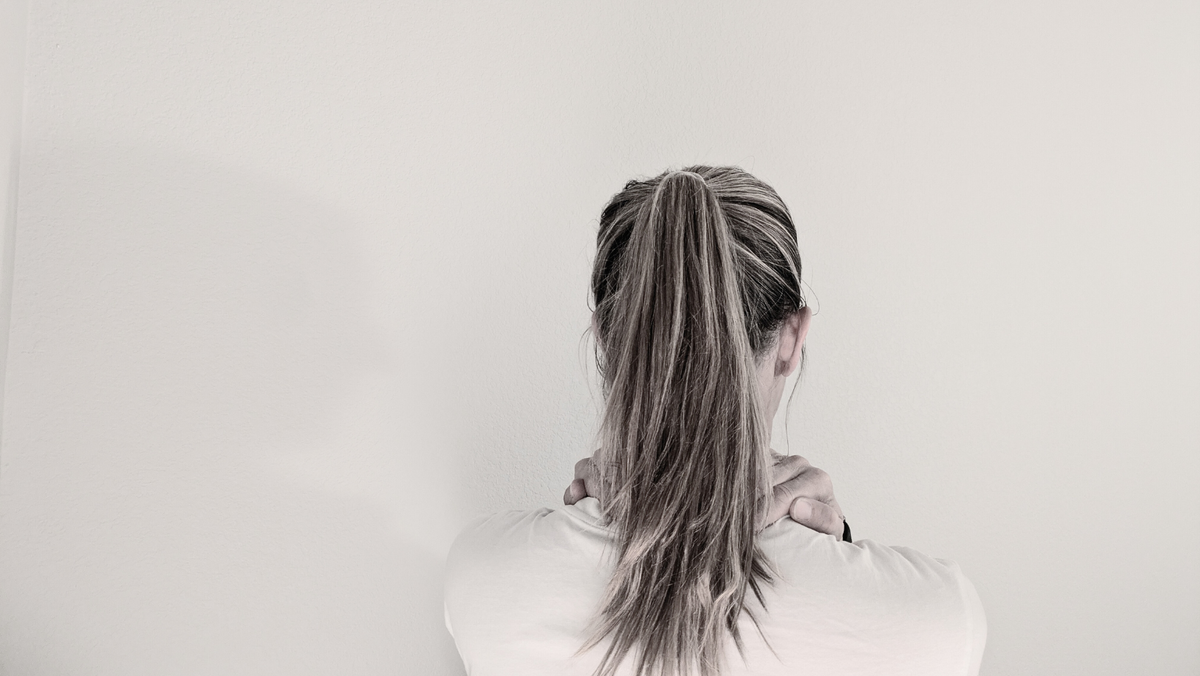
In my last post of 2025, I shared my approach to a Gentle Health Audit for 2026. I wrote about stepping away from the scale and the PRs, and instead asking three simple, honest questions about how I truly lived in my body this year.
But asking the questions is only half the battle. The harder part, the part I am still learning, is being quiet enough to hear the answers.
We live in a culture that treats "I’m fine, just busy" as a badge of honor. We are trained to push through. We treat fatigue with another cup of coffee, and we override our body’s natural need for rest with a packed calendar.
I often think of the body like a polite guest. At first, it taps you on the shoulder to say it needs something, a yawn, a cold hand, a slight stiffness in the neck. These are the whispers. If we ignore them, the body knocks louder. And if we still ignore it? The body starts screaming.
This year, I realized I had let the whispers go on for too long.
The Physical Weight of Stress: "You Are Carrying the World"
I had a moment of clarity recently, not on a yoga mat or during a meditation, but while lying face down on a massage table.
I went in because I felt tight, but I assumed it was just the "normal" state of things. The masseuse worked on my upper back for a moment, paused, and said something that stopped me in my tracks:
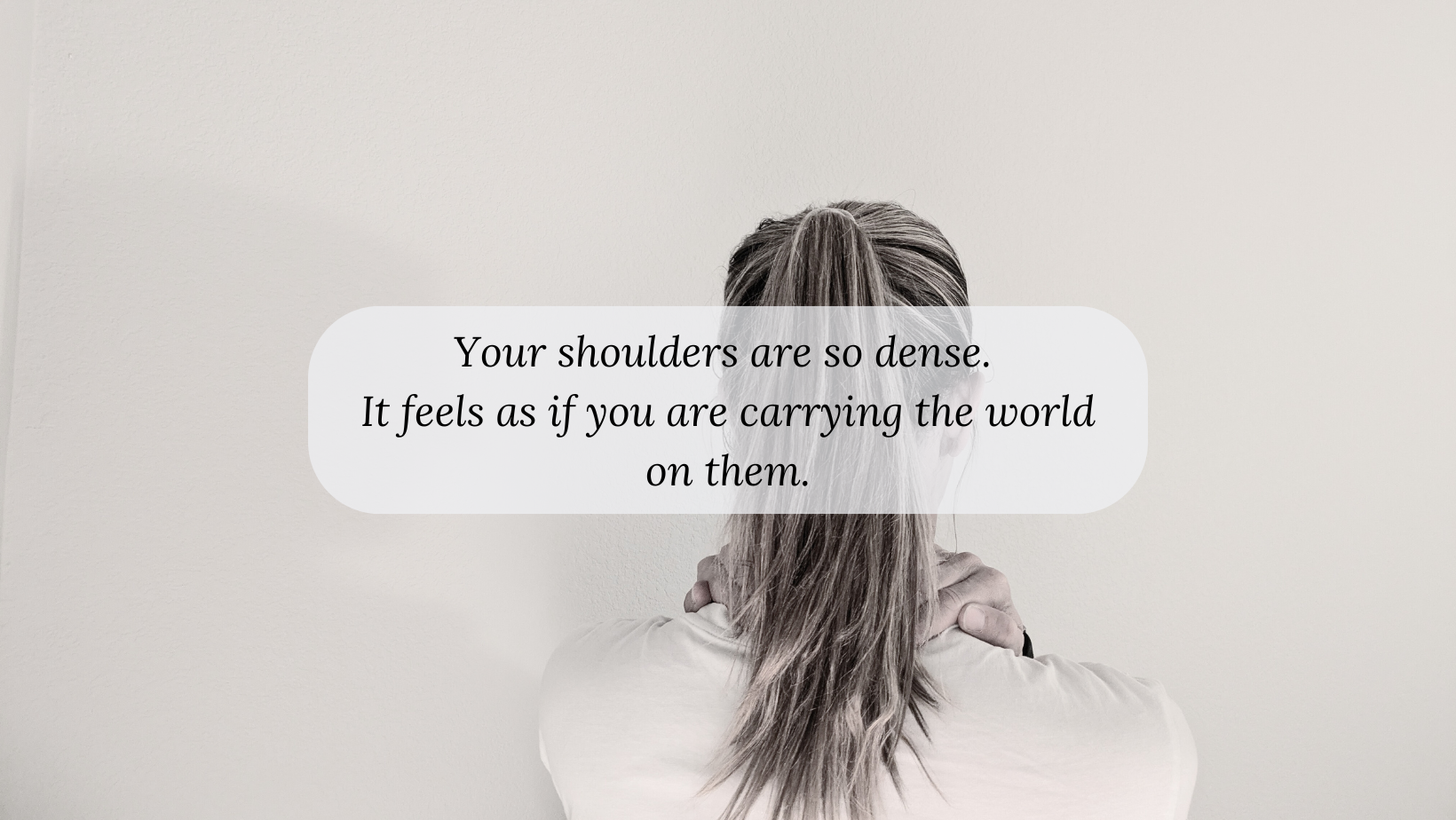
That phrase stuck with me long after the session ended. Because she was right, I did feel like I was carrying a lot. But deeper than the physical weight was the mental narrative I had attached to it. I had been telling myself that this heaviness was simply the price of admission for motherhood.
I told myself: Every mom goes through this. I am not allowed to complain. I am not allowed to pause.
We often gaslight ourselves into ignoring our own bodies because we look around and see everyone else rushing, achieving, and "doing it all." We assume that because exhaustion is common, it must be normal. But they are not the same thing.
The Antidote to Burnout: Learning Presence
The antidote to this heaviness, strangely enough, has been watching our two-year-old son.
Children are the masters of the present moment. He is never in a rush. He doesn't worry about next week’s schedule or yesterday’s emails. He is fully here, absorbed in the texture of a toy or the discovery of a new sound.
Watching him grow is my greatest joy, but it is also my greatest reality check. I want to be able to watch him and join him on his adventures for as long as he allows me to. I want to have the energy to ski with him, to hike with him, to bake with him without feeling depleted.
His presence reminds me that taking care of my health isn't selfish; it’s an investment in our future time together. I cannot carry him, or the world, if my own foundation is crumbling.
Interoception in Action: From Auditing to Listening
This brings me back to the questions I shared in my post. When I ask myself, “How did I live in my body this year?”, I am really asking: “Did I listen?”
Did I listen when my shoulders crept up to my ears? Did I listen when my energy dipped at 3 PM?
The "Health Audit" isn't just a one-time exercise I did last week. It is a daily practice of Interoception, the science of feeling your body from the inside out. It is the practice of noticing the dense shoulders before they feel like the weight of the world.
My wish for you this week is that you continue the work we started with the Audit. Don't just ask the questions, pause long enough to honor the answers.