Navigating Sweet Temptations
Some of you may know that I work for a company specializing in continuous glucose monitoring. With that comes a constant quest for healthier alternatives to sugar. Day in and day out, I field questions from curious minds, primarily women, wondering if sugar substitutes genuinely are the holy grail they're cracked up to be. Especially, because there are still a lot of women who think calorie counting is the only way to lose weight. I have my own thoughts on that. But back to the sweet conversation, because the debate between artificial sweeteners and sugar substitutes is hotter than ever.
Diving into the Sweet Debate
But first, let's clear up the confusion.
What's the difference between artificial sweeteners and sugar substitutes?
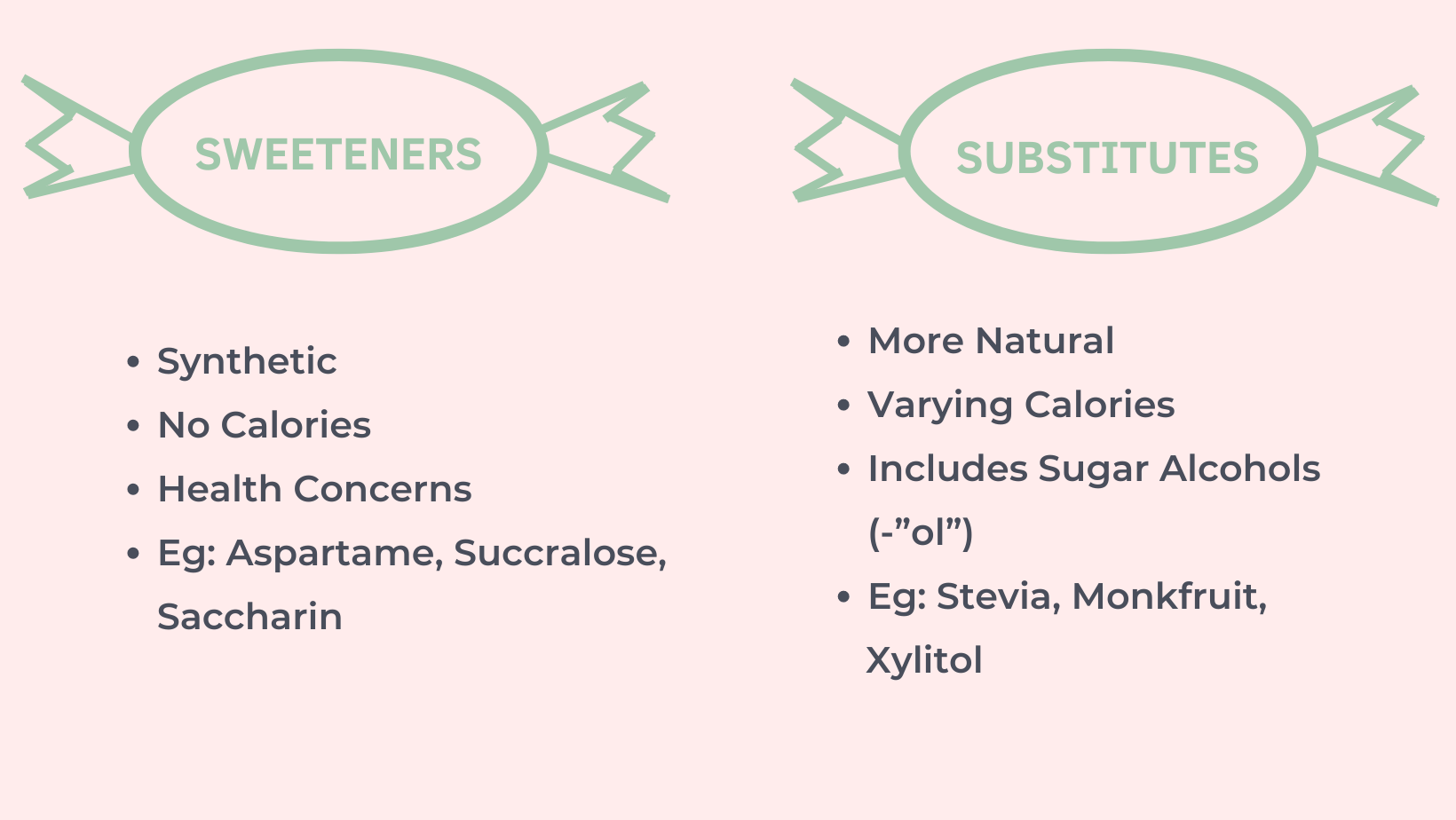
Well, artificial sweeteners are synthetic sugar substitutes that offer sweetness without calories. Think aspartame, saccharin, and sucralose - the heavy hitters in the world of sugar alternatives.
On the other hand, sugar substitutes are a broader category that includes natural sweeteners like stevia and monk fruit, as well as sugar alcohols like erythritol and xylitol. These alternatives are derived from natural sources and often boast fewer calories than traditional sugar, but still have some calories.
Both categories typically don't spike your blood sugar but may alter your gut microbiome and insulin response.
But while there are more sugar alternatives than ever, many people find the taste offputting.
And then there's Brazzein, the latest addition to the sweet scene.
As a protein-based sweetener with zero calories and a taste profile reminiscent of sugar, Brazzein has piqued the interest of health-conscious consumers and food manufacturers alike. Its natural origins and potential for widespread use make it a compelling contender in the world of sugar alternatives.
It is derived from the fruit of the West African plant Pentadiplandra brazzeana. Yet, like everything that entered the sugar alternative scene before, Brazzein is far from "perfect." To mask the off taste, producers add some real sugar to products that contain Brazzein.
Navigating the Sweet Spot
So, with the stage set, let's dive into the sweet debate.
Are sugar alternatives truly better for our health than regular sugar?
The question has been swirling around for years, and the answer isn't as straightforward as you might think.
While artificial sweeteners offer a compelling solution for those looking to cut back on calories and sugar intake, they come with their fair share of controversy. From concerns about potential health risks to mixed reviews on taste, these synthetic substitutes have sparked debates far and wide. All of these sweeteners work similarly: by signaling the brain that something sweet has arrived.
Some studies may argue that artificial sweeteners increase the risk of cancer. While some evidence links these sweeteners to cancer in rodents, data on humans are scarce. Also, it's important to acknowledge the fact that people who consume artificial sweeteners often have a few health issues such as being overweight, having high blood pressure, or living an unhealthier lifestyle. These factors can contribute to cancer risk as well, and aren't reflected in the studies.
On the flip side, sugar substitutes offer a more natural approach to sweetness, often derived from plants or sugar alcohols. While they may seem like a healthier option on paper, they have drawbacks. Some people find the taste of these alternatives off-putting, while others worry about potential digestive issues associated with sugar alcohol.
Finding Your Sweet Solution
So, where does that leave us in the quest for a healthier sweet fix?
As someone knee-deep in the world of continuous glucose monitoring, I'm here to offer a word of caution. While sugar alternatives may seem like a tempting solution to our sweet cravings, it's essential to approach them with moderation. No matter how good the sugar alternatives are, there is still much left to learn about the health effects of sweeteners, substitutes, and natural options.
After all, our health is the sweetest thing of all, and it's worth taking the time to find what works best for us. And if this is the occasional slice of the (sugar loaded) cake your grandma likes to make, you have my approval to enjoy it to its fullest.