Evolutionary Question

Recently, I was interviewed for this podcast and was asked a question I have never been asked before.
The Question:
What is the evolutionary reason women are more insulin resistant in their luteal phase?
In the podcast, I could only make an assumption. After the recording, I put on my research hat and delved into this phenomenon. I came across three theories that explain why the body behaves differently during the menstrual cycle.
The Answer:
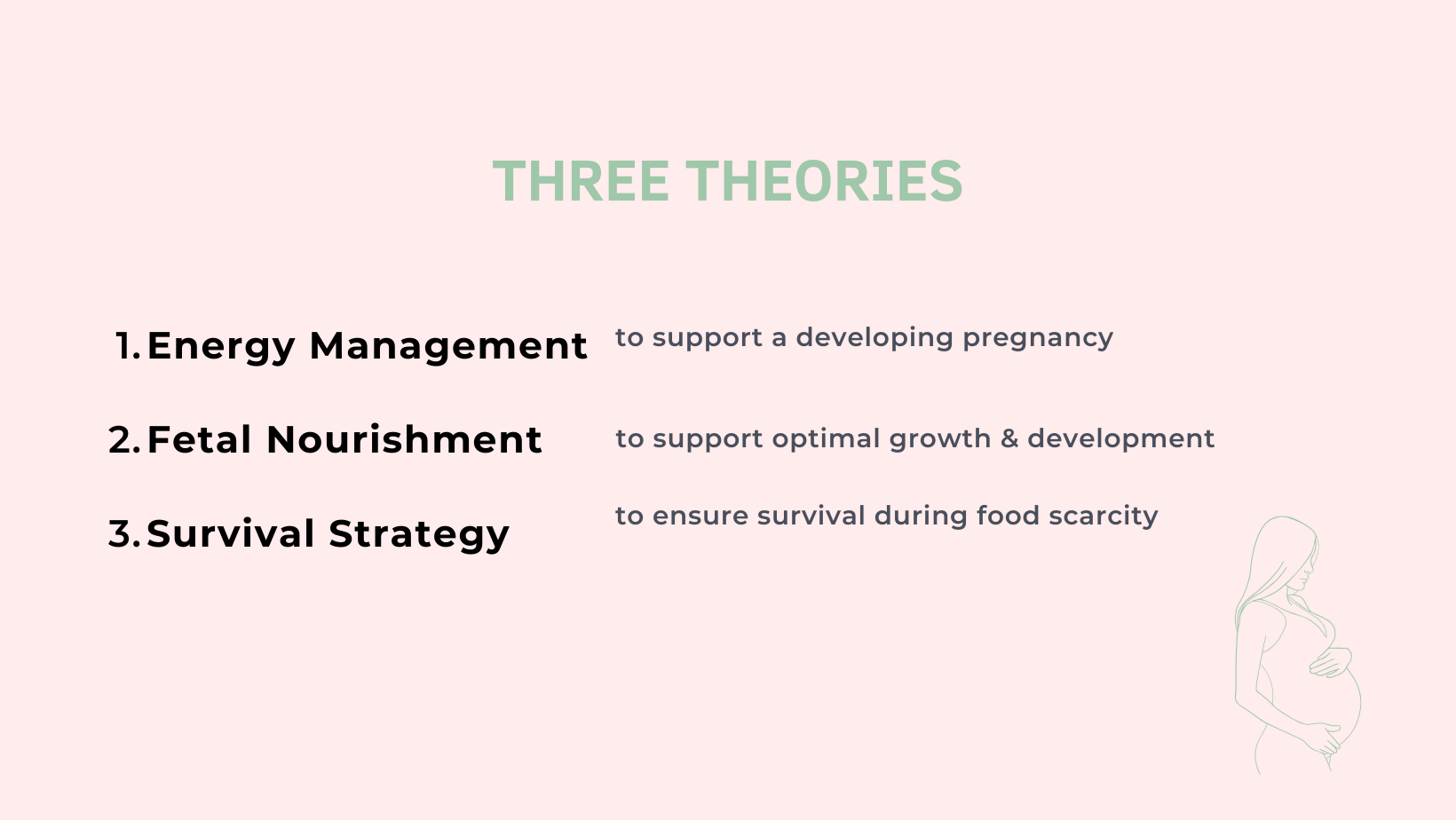
There are three theories that explain this phenomenon.
- Energy Management
During the luteal phase, your body prepares for potential pregnancy. One way it does this is by becoming slightly more insulin-resistant. This means that cells are less responsive to insulin's signal to take up glucose. Why? Well, it's like your body is stocking up on energy reserves just in case conception occurs. By promoting glucose storage as fat, insulin resistance ensures a readily available energy source to support a developing pregnancy and eventual breastfeeding. - Fetal Nourishment:
Insulin resistance may also serve an essential role in fetal development. By limiting glucose uptake into maternal cells, insulin ensures a steady supply of glucose reaches the developing fetus. This supports optimal growth and development, laying the foundation for a healthy baby. - Survival Strategy:
Think back to our ancestors and their unpredictable food supply. Insulin resistance during the luteal phase could have been a survival strategy. By conserving energy stores in the mother's body and prioritizing nutrients for the potential fetus, insulin resistance helped ensure survival during food scarcity.
In summary, the increased insulin resistance experienced by women during the luteal phase isn't just a quirk of biology – it's a finely tuned evolutionary adaptation aimed at optimizing maternal and fetal health and increasing the chances of survival in challenging environments.