
The Myth of Doing It All (What Science Reveals About Women, Stress, and Rest)
I’m writing this from vacation.
In theory, that should mean I’m offline, resting, recharging, living fully in the moment.
But if I’m honest, I haven’t completely unplugged.
I’ve written a blog post while our toddler naps, replied to a e-Mails and Instagram messages, checked client food logs, just a little bit of work here and there.
None of it feels heavy or forced, I genuinely like what I do.
And yet… I notice I’m not fully here either.
My body is on vacation, but my mind is still at work.
Always a few tabs open.
I’m not sharing this as a complaint, and I’m not looking for sympathy. It’s fully in my control how I deal with it.
It’s just an observation, something I’ve noticed in myself (and in so many women around me), that made me curious. So I decided to look for some numbers, to see if the data matched what I was feeling.
And the research reflects it:
💭 We’ve Been Trained to “Do It All”
Modern women carry an invisible to-do list that never ends.
We’ve been raised to believe balance is possible if we just plan better, try harder, or wake up earlier.
But what we’re really chasing is permission, to rest, to step back, to not be “on” all the time.
And the research reflects it:
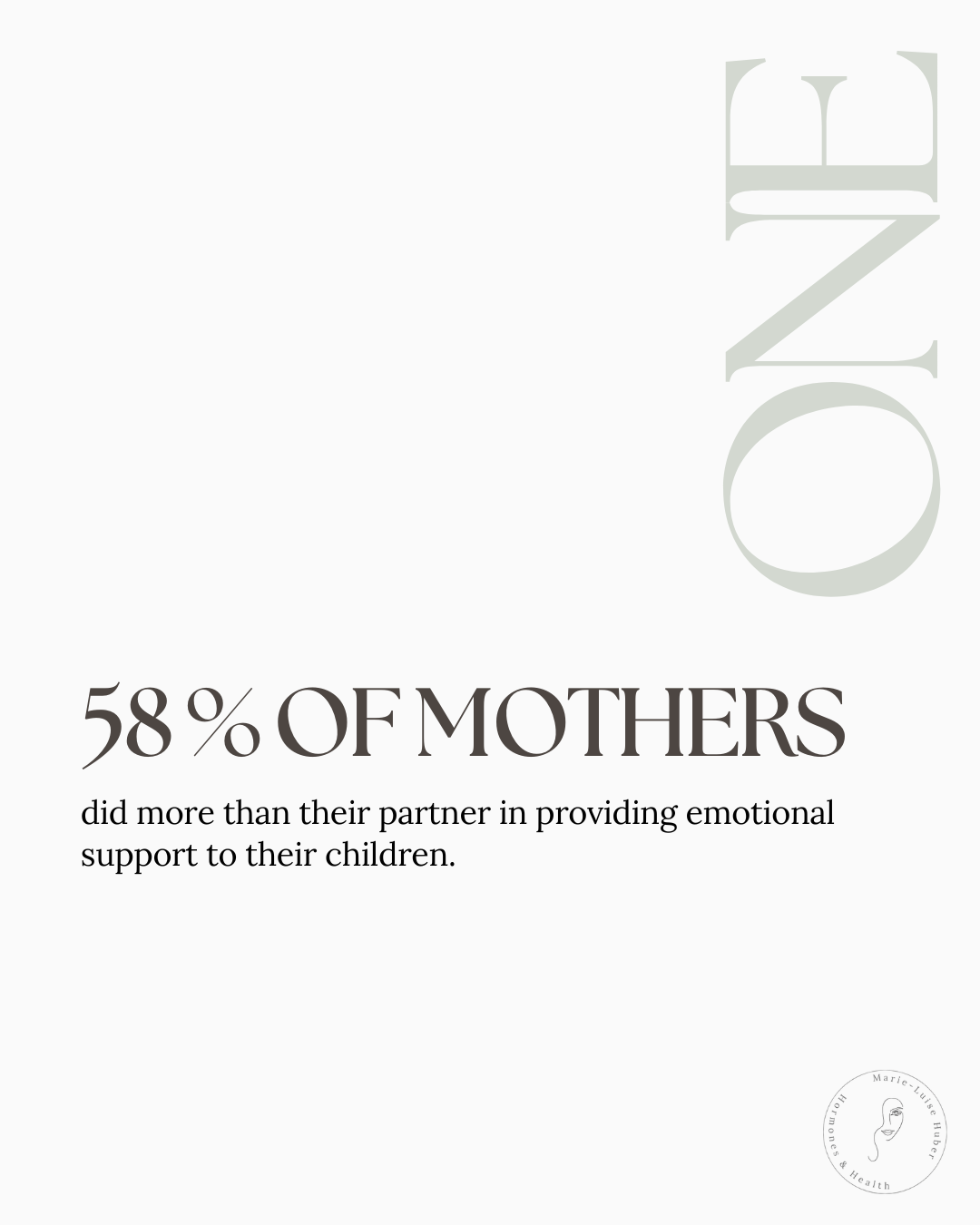
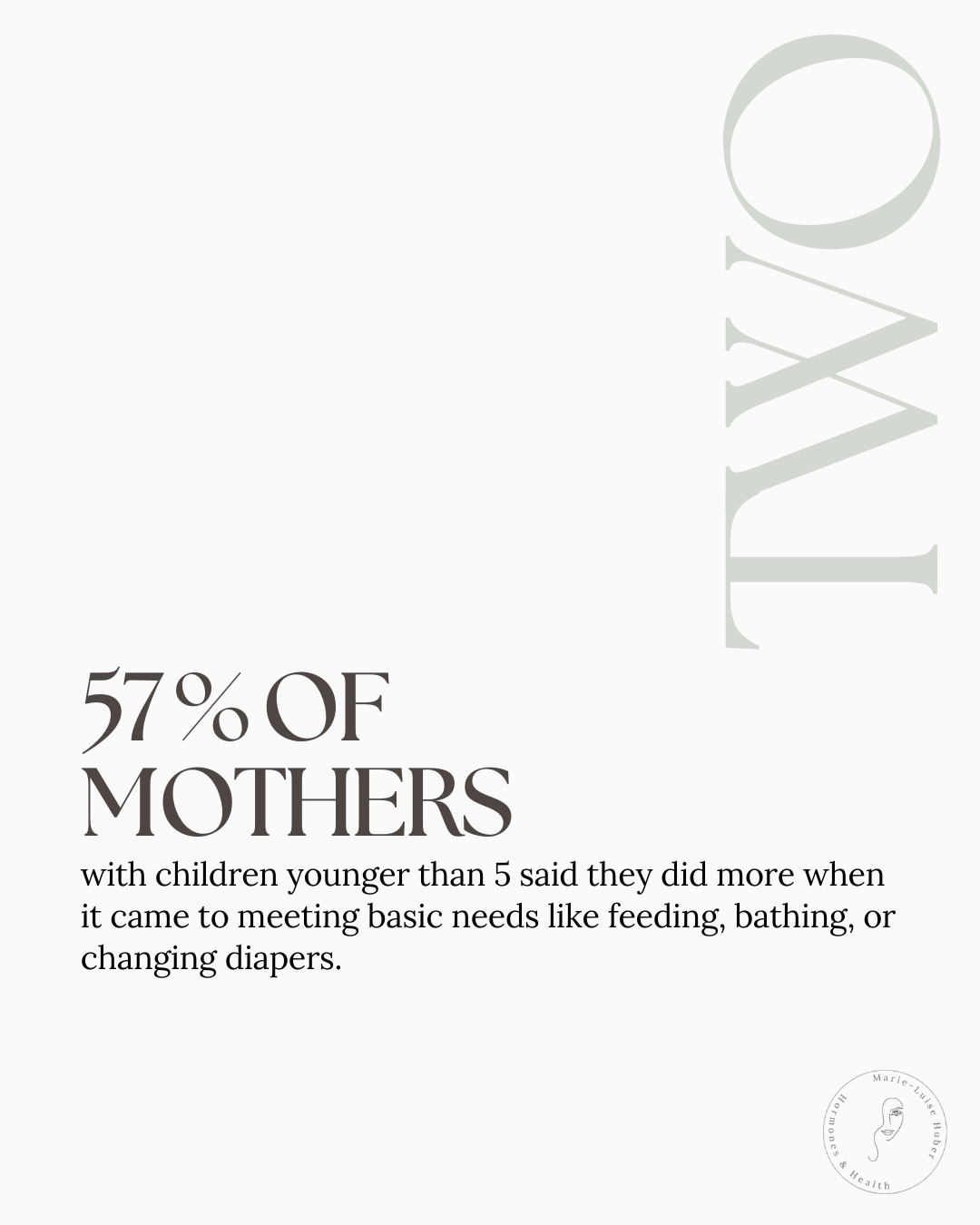
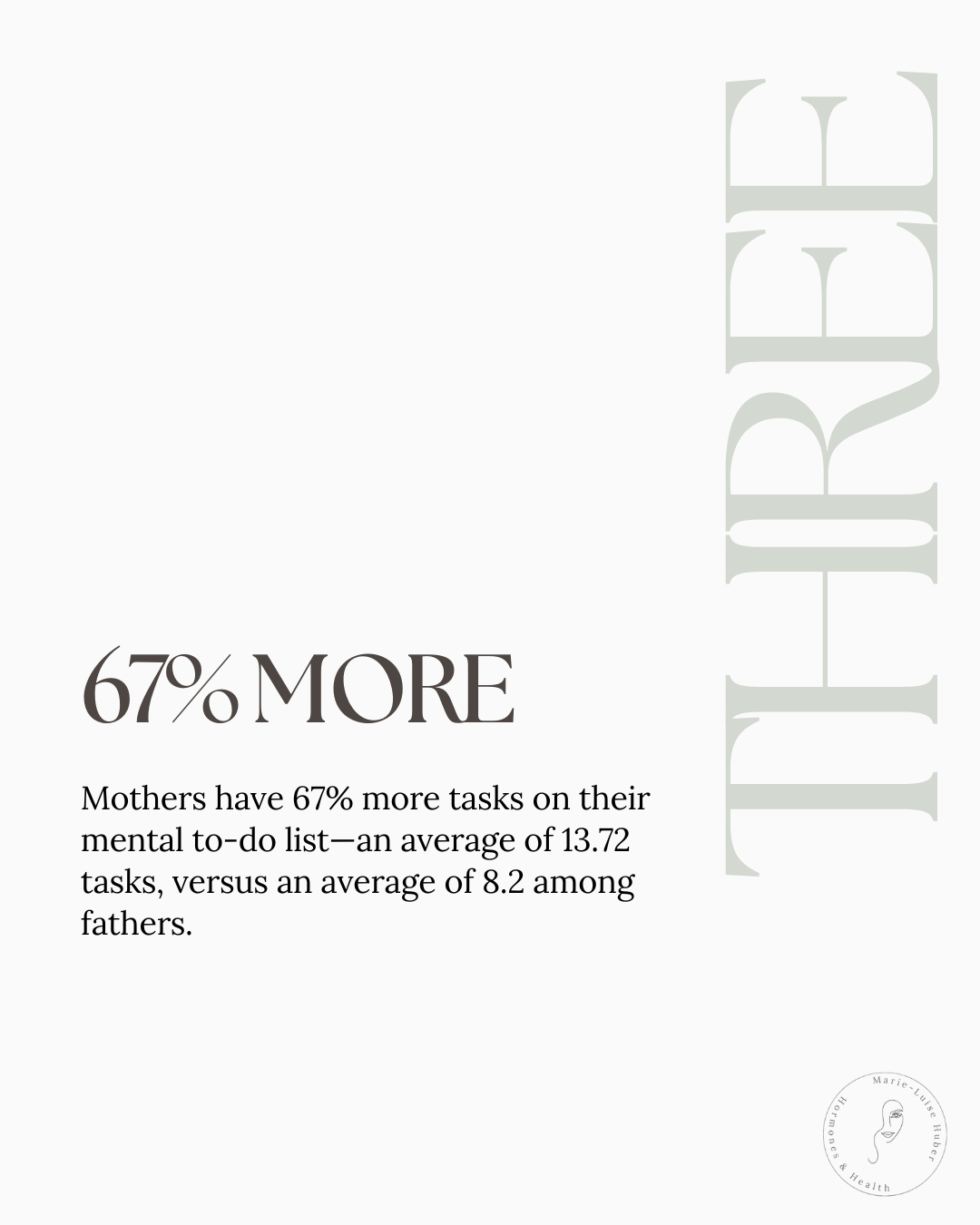
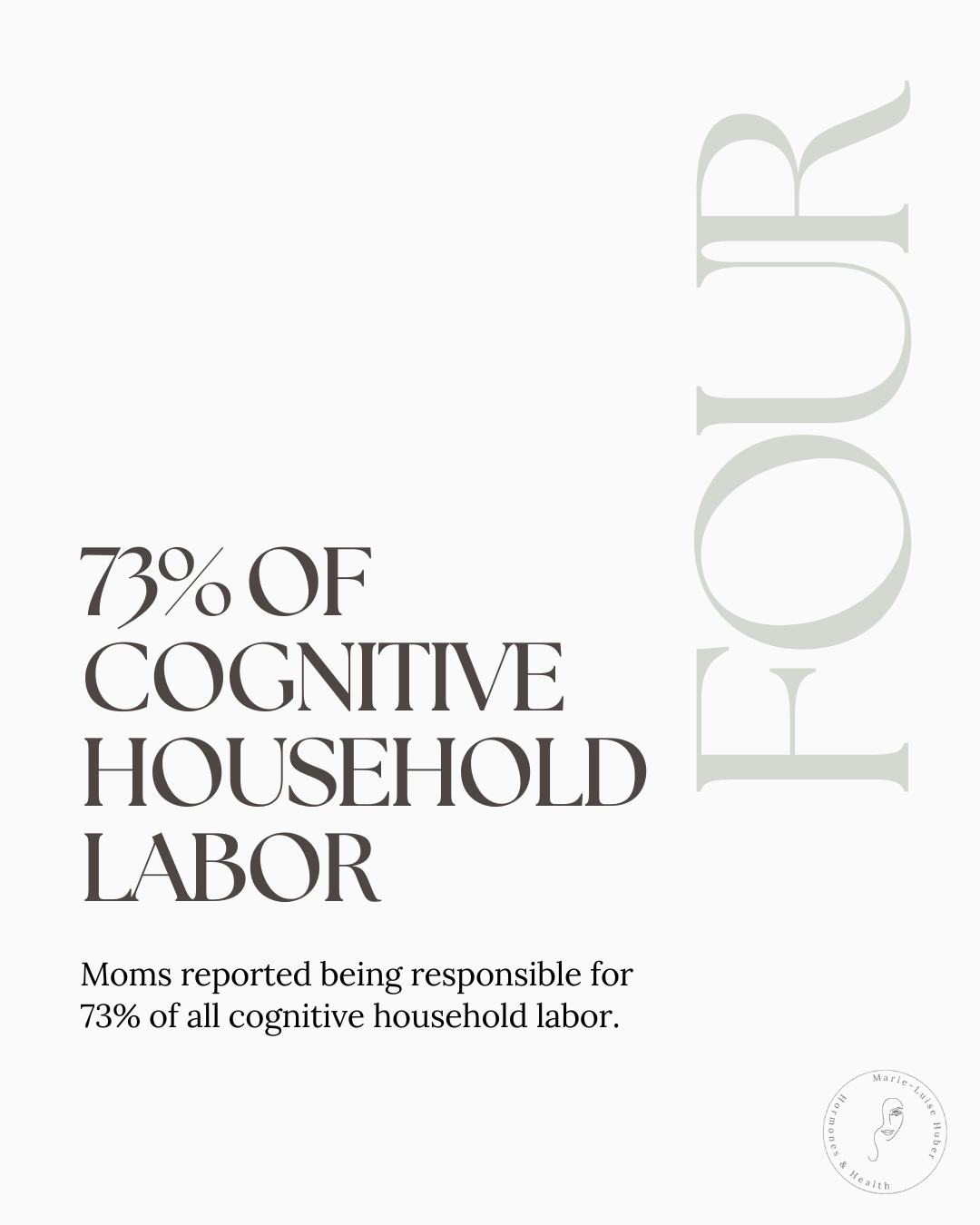
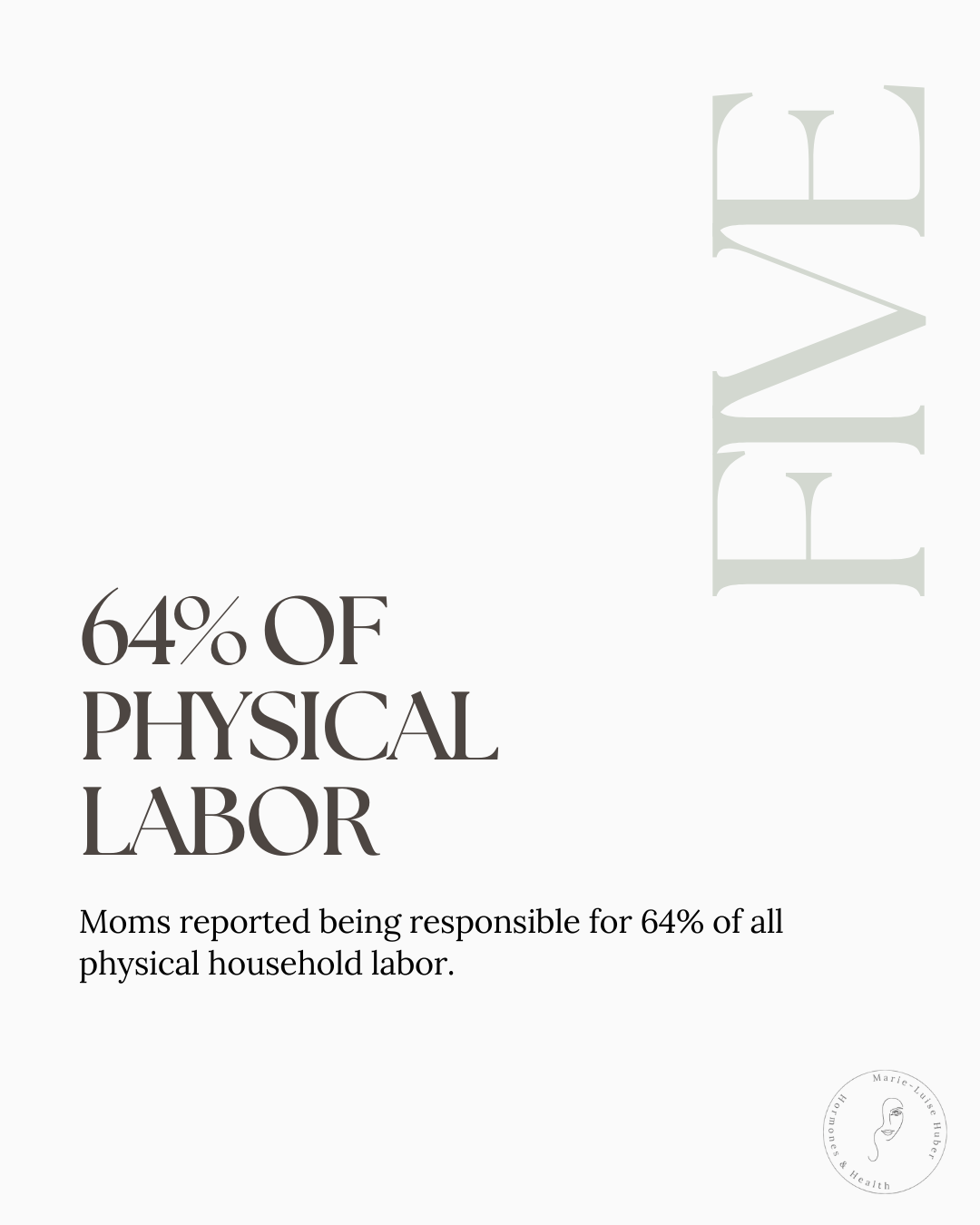
References see at the end
This constant mental and emotional output keeps our brains in “task mode”, even when our bodies are supposed to be resting. Some studies suggest that chronic stress is linked to a 30–40% higher rate of sleep disruption, digestive issues, and thyroid dysfunction, all tied to sustained activation of the HPA axis, the body’s main stress system.
🧠 The Physiology of Overload
When your brain perceives constant demand, your hypothalamic-pituitary-adrenal (HPA) axis stays switched on. It’s the system that releases cortisol, helping you respond to stress or focus under pressure.
In small bursts, it’s brilliant.
But when it never fully switches off, even for things we love doing, the signal for recovery never arrives.
Over time, this creates what I call the gray zone: not full burnout, but a slow erosion of energy, creativity, and joy.
That’s why even small moments of “productive rest” (scrolling, checking, responding) can leave you feeling oddly tired rather than restored.
Your brain might register “low effort,” but your body still registers “output.”
🌿 Why Women Feel It More
Women’s stress biology is intertwined with their hormonal rhythms.
Estrogen and progesterone both influence cortisol metabolism and the sensitivity of stress receptors in the brain.
So during postpartum, perimenopause, or the luteal phase, the body naturally becomes less efficient at down-regulating stress.
At the same time, cultural norms have rewarded our capacity to juggle it all, the emotional labor, the career, the self-care, the caregiving.
It’s a dangerous equation: biology meets expectation.
🌾 What Happens When You Finally Pause
The body knows what to do when we give it space.
When you stop, even briefly:
- The parasympathetic nervous system (your repair mode) activates.
- Heart rate and cortisol drop.
- Digestion improves.
- Glucose regulation stabilizes.
- Hormones start recalibrating particularly insulin, thyroid, and reproductive hormones.
And here’s the beautiful irony: we often get more creative, not less, when we rest.
Brain imaging studies show that the default mode network, responsible for insight and problem-solving, only lights up when we’re daydreaming or idle.
So that clarity you’re chasing through constant effort? It arrives when you let go.
💛 My Small Experiment
This week, I’m trying something new to me.
I’m keeping work limited to small, intentional windows and resisting the urge to fill every nap time or quiet moment with “just a quick check.”
If an idea comes up (and it always does), I write it down but don’t act on it.
Because I don’t want to be less passionate about my work, I want to be more present in my life.
Rest doesn’t erase purpose. It deepens it.
✨ What I Hope You Take Away
Women can do it all, but not all at once.
The statistics make that clear: most women today carry not just their own workload, but the invisible load of everyone around them. And for many, slowing down isn’t even an option, there are bills to pay, children to care for, parents to support, and a constant hum of “what’s next?” in the background.
That’s exactly why finding moments to pause matters.
Not to take a day off from life, but to give your nervous system small windows to reset, a few deep breaths, a quiet cup of tea, a walk without your phone.
And if you’re lucky enough to be on vacation, let yourself be there.
Don’t stress about the “have-tos.” The emails, the messages, the next thing, they can wait.
Women can do it all but we were never meant to do it all without rhythm, recovery, and real rest.
References:
Fact 1 and 2:
Livingston G. Key facts about moms in the U.S. Pew Research Center. Published May 9, 2023. Accessed October 30, 2025. http://pewresearch.org/short-reads/2023/05/09/facts-about-u-s-mothers/
Fact 3: Weeks AC, Kowalewska H, Ruppanner L. Take a Load Off? Not for Mothers: Gender, Cognitive Labor, and the Limits of Time and Money. Socius: Sociological Research for a Dynamic World. 2025;11. doi:https://doi.org/10.1177/23780231251384527
Fact 4&5: Liu M. Moms think about chores more, affecting their mental health. News and Events. Published July 29, 2024. https://dornsife.usc.edu/news/stories/moms-cognitive-burden-chores/