
Women's Health Spotlight: Laura Bahmann’s Journey Back to Health
From peak performance to barely walking 20m. Laura Bahmann shares her journey through Long COVID and how she learned that slowing down is the key to true strength.
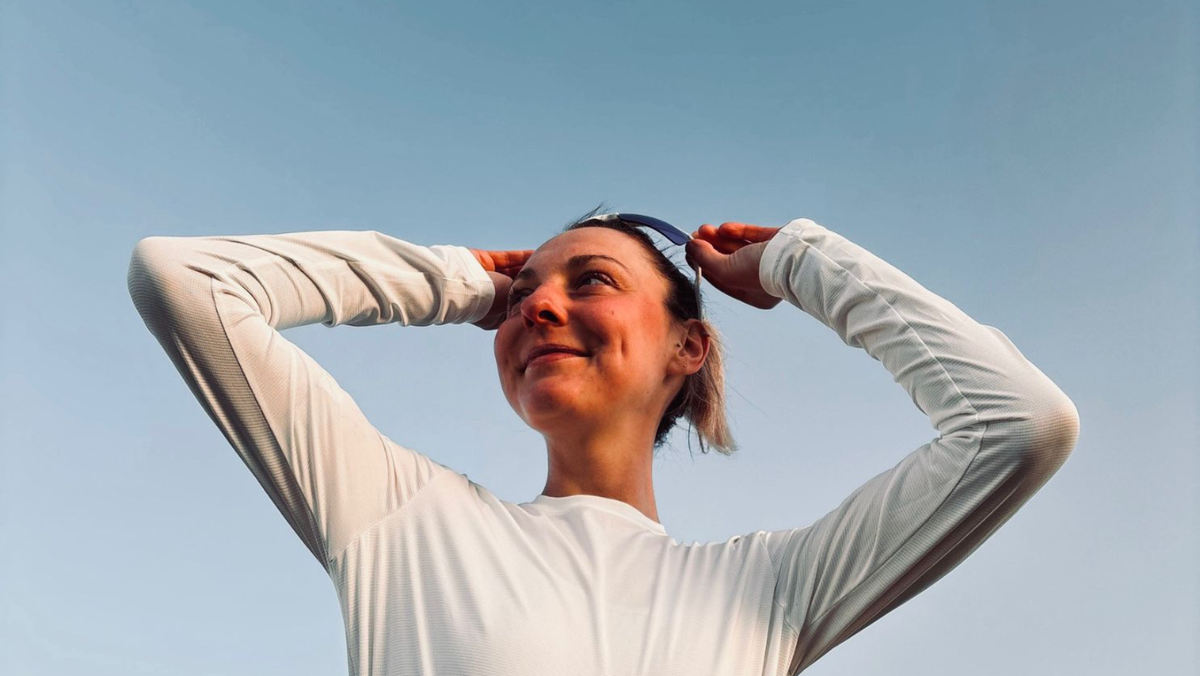
As promised in my last post, I’m thrilled to bring back the Inspiring Women category!
This week, we’re spotlighting Laura Bahmann—a medical engineer and elite runner who redefined strength after battling Long COVID. Laura opens up about moving from peak performance to barely walking 20 meters, and how she learned that true recovery starts with slowing down.
Join us as she discusses why patience is the ultimate form of self-care and how to train with your body, not against it.
Your long COVID story is extraordinary, from barely being able to walk more than 20 m to becoming one of the fastest runners in Germany, at least that’s how I see you. :) Can you guide us through the turning point in your recovery, and what you learned about your body as a woman during that time?
I have been ambitious and disciplined since I was a little child. For a long time I thought the answer was always to just “do more.” Over time, I found this approach to be useless. I started to slow down, pay attention to the signals my body was sending me, and really listen to them.
The turning point in my recovery was patience – as simple as that – and, just as importantly, experimenting to find out what actually works for me. Every tip or recommendation is well‑meant, but in the end you have to discover for yourself what truly helps. For me, it was believing that I would get healthy again, having the patience to accept my current situation, and at the same time the willpower and determination to keep trying new things and stay positive that some of those strategies would eventually work. As a woman, it can definitely be more complex, because our bodies change so much throughout the menstrual cycle. Once you become aware of the different phases, you realise that what works well for you in one phase may not be as effective in another. That is something we have to keep in mind.
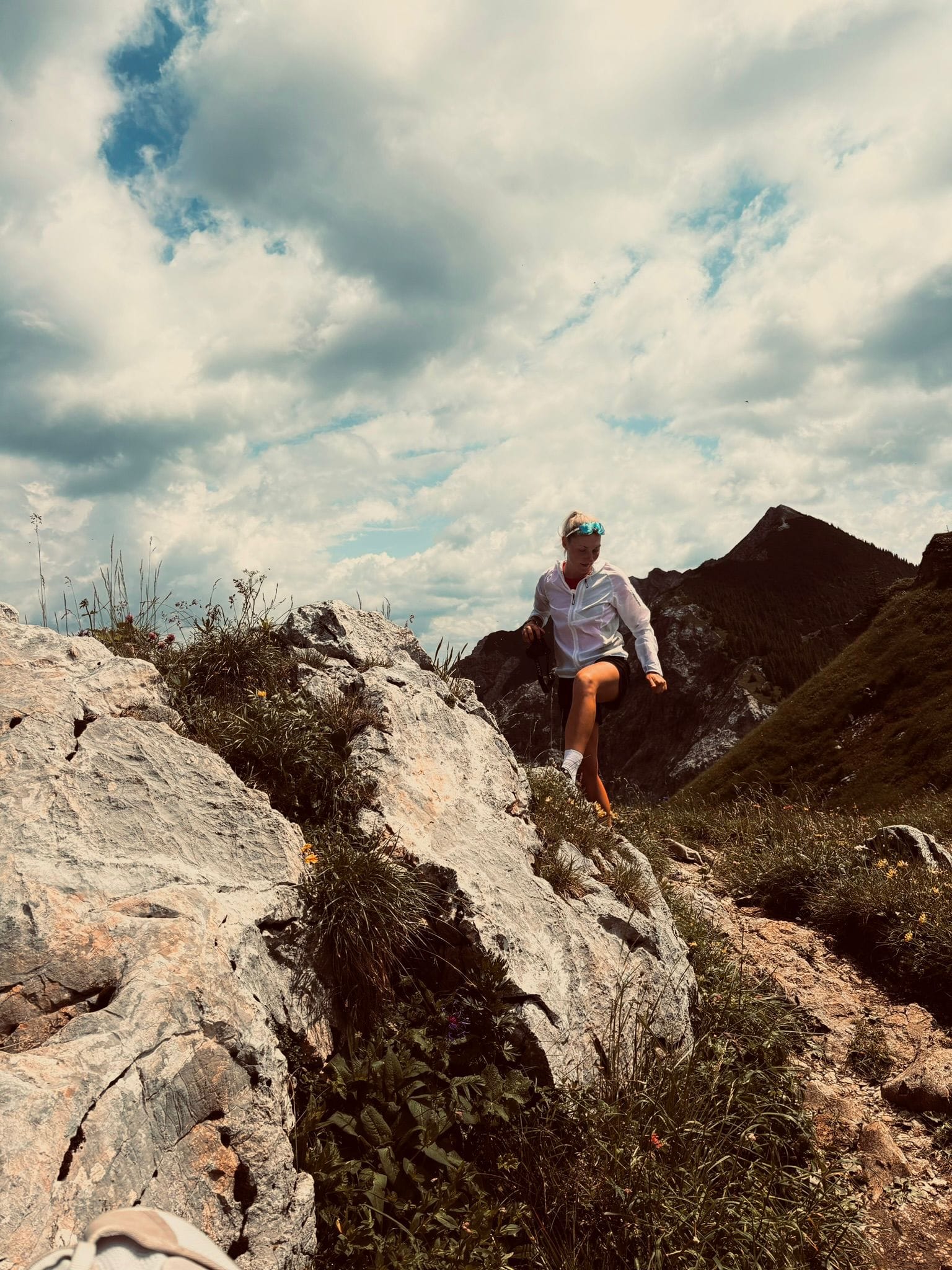
Many women overlook early warning signs of burnout, hormonal imbalance, or chronic fatigue. Which physical signals did you wish you had taken more seriously, and what advice do you have for women who are “pushing through” symptoms?
“To always be strong” is definitely something that comes from our society. In the period when women became more career-focused and moved into leadership roles, society often taught them to be tough, emotionally stable, and not allowed to make mistakes, to always appear strong. Nowadays, mental health is taken more seriously, but in an ideal world everyone, regardless of gender, would be seen as a whole person, with their symptoms understood rather than just treated with medication, and with more focus on finding the cause and building healthier long-term habits instead.
Education is one of the biggest drivers of a healthier society, starting at school. When schools and parents teach children to really listen to their bodies and take symptoms seriously from the first day they appear, instead of ignoring them, that creates a strong foundation for adulthood, including self-awareness, self-regulation, and not ignoring the signals your body sends you. For women, who pushed through symptoms in the past, I would give them one piece of advice: You are the only one who truly matters in your own life. No one will thank you for overworking yourself.
At the end of the day, your health is unique and you only have one life, so take it seriously, invest in yourself, and start creating the life you genuinely want to live.
As a medical engineer and sport scientist, how did your professional knowledge shape the way you approached recovery, training, and rebuilding performance? What science-backed strategies made the biggest difference?
I use it as a theoretical foundation, but what matters most is turning theory into action: reflecting on what truly fits me and then using that as the basis for the next steps. We are all unique, and especially on social media it can be hard to stay true to yourself when you see what other athletes are doing, achieving, eating, and how they recover. I try to focus on myself. Having scientific knowledge and understanding definitely helps, but personal “success” is never guaranteed
From my own experience, fueling properly before and during a session clearly improves recovery afterwards. It helps to find a nutritional baseline that feels good and fits your daily life, to prioritise sleep quality, and to get enough rest overall. On top of that, antioxidants, drinking plenty of water, spending time outside, and reducing exposure to electronic devices as much as possible all support better recovery and well-being.

Female physiology changes across the month, energy, resilience, fatigue, stress tolerance. How do you adapt your training around your cycle? What do you wish more women knew about cycle-aware performance?
Training adaptation based on the female cycle involves tuning intensity, volume, nutrition, and rest to hormonal and physiological changes throughout the month, along with mental awareness and mood. I will explain the different phases and why it matters to keep that in mind:
During the follicular phase (from menstruation to ovulation), estrogen rises, supporting higher energy, resilience, and stress tolerance. This is the optimal time to increase training intensity and volume, pushing for performance gains with demanding workouts. Nutrition can focus on supporting energy and recovery, with adequate protein and carbs. Mental outlook tends to be more positive, facilitating motivation.
In the luteal phase (post-ovulation to menstruation), progesterone rises, often causing increased fatigue, mood fluctuations, and lower stress tolerance. Training intensity and volume should be reduced, prioritizing restorative workouts like low-impact cardio, mobility, or yoga. Nutrition can shift toward foods soothing digestion and balancing mood, with attention to hydration and micronutrients. Rest becomes critical in this phase as recovery needs increase. Mental awareness to accept variability and practice self-compassion plays an important role. Understanding these patterns enables smarter training, pushing hard when energy is high and resting more when fatigue dominates, ultimately enhancing progress while reducing injury and burnout risks. Greater education on cycle-aware training and its mental-health benefits is essential for empowering women athletes and leaders alike. But it's not just about individual awareness, educating coaches, teachers, and others on what truly helps build better female athletes is equally important. Open communication between athlete and coach, along with being precise and reflective about one's own body signals, makes all the difference.
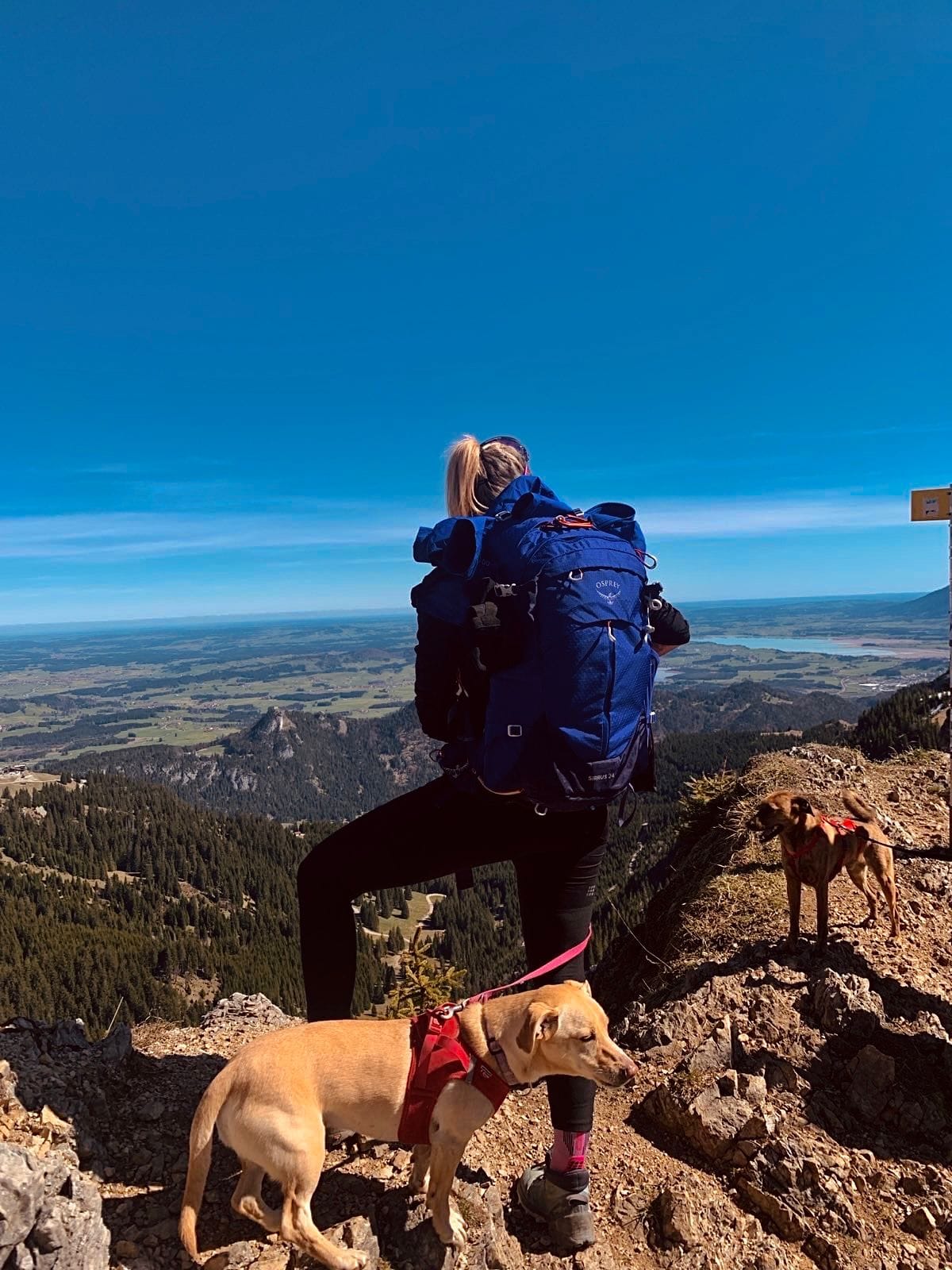
What role did nutrition, rest, and pacing play in your journey over the last years? Were there specific adjustments you made that supported your hormones, immune system, or overall recovery capacity?
Nutrition-wise, timing macronutrients around training sessions made a huge difference. Fueling before, during, and after workouts ensured sustained energy and faster recovery. Finding foods that my body tolerates and uses efficiently was key to avoiding inflammation and digestive stress, which also supports hormonal balance.
Rest was another top priority. I focused on improving sleep quality by optimizing my bedroom environment: keeping it completely dark, avoiding screens at least two hours before bed, and using an eye mask. This made my sleep more restorative, essential for immune function and hormonal regulation.
In my training planning, I always kept the bigger picture in mind, respecting rest days and taking occasional full weeks off before reaching the point of feeling completely burnt out. Incorporating a macrocycle approach helped balance intensity and volume for long-term sustainability.
Supplementation played a supportive role for immunity and hormones but was only a small part of the foundation. My favorites included glutamine, lysine, glycine, amino acids, zinc, vitamin D, and probiotics for gut health.
Most importantly, I worked hard to avoid chronic stress, using tools like breathwork, meditation, and journaling regularly. Managing stress was critical because prolonged stress compromises recovery and immunity, making illness more likely.
Together, these habits created a system that nurtured my body holistically, enabling better performance and resilience over time.
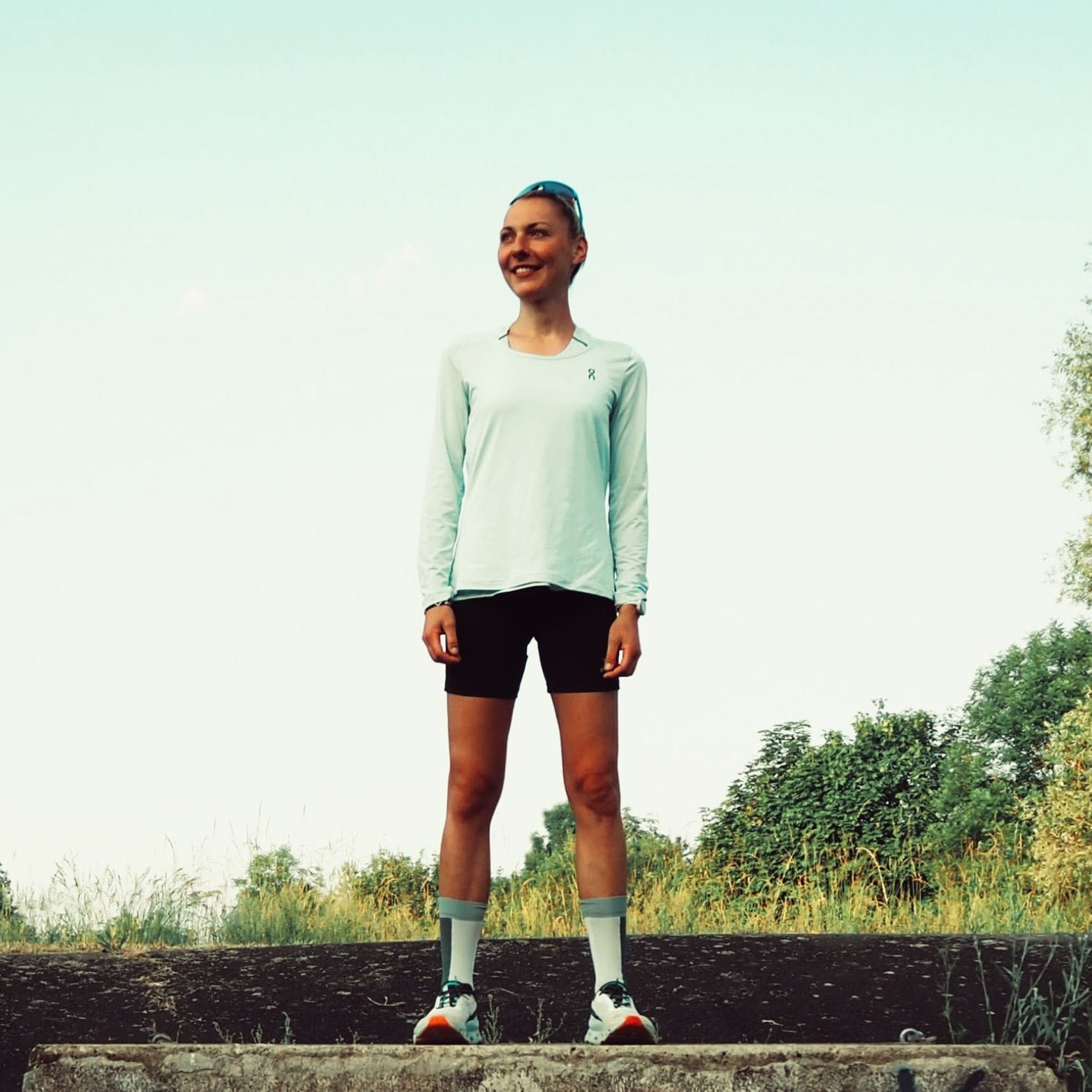
Looking at women’s health more broadly, in workplaces, in sports, and in everyday life, where do you see the biggest gaps, and what meaningful changes would you like to see in the next 5 years?
Meaningful changes I would love to see in the next five years include:
- Comprehensive education on female physiology, including menstrual cycle awareness, hormonal health, and mental health, starting early in schools and continuing into workplaces and sports organizations. This would empower women and those around them with knowledge to make informed decisions.
- Training for coaches, employers, and healthcare providers to recognize and support women's specific health needs effectively, including adapting workloads, schedules, and recovery protocols based on cycle phases and individual health signals.
- Policies promoting flexible work and training environments that accommodate fluctuating energy and stress tolerance levels, encouraging balance instead of “pushing through” at all costs.
- Increased investment in female-specific research to develop evidence-based guidelines around nutrition, rest, mental health, and performance optimization tailored for women.
These changes would create more inclusive, supportive, and health-conscious spaces that acknowledge and respect female diversity, helping to reduce burnout, improve well-being, and unlock full potential in all areas of life.
For women who feel stuck, exhausted, or discouraged in their health journey, what would you tell them from where you stand today?
You are not alone, and your feelings are valid. Healing and progress often take time, and it’s important to be patient with yourself. Focus on small, consistent actions rather than quick fixes, and listen closely to your body’s signals, they are your most trustworthy guide. Remember that your journey is unique, so what works for others may not work for you, and that’s okay. Prioritize rest, nutrition, and mental well-being. Don’t hesitate to seek support from those who understand or professionals who can help tailor your approach. Accept help. Most importantly, keep believing that change is possible, and that your health and vitality can improve step by step.